
What is Polyethylene?
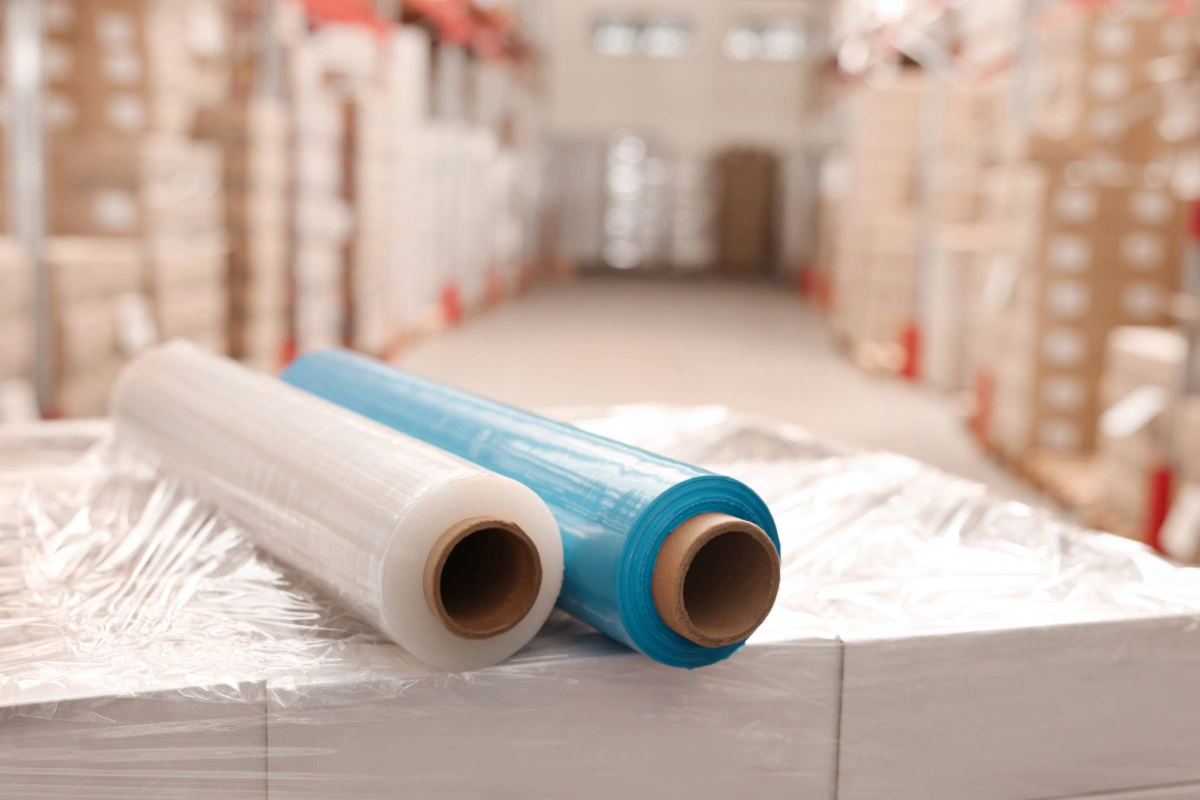
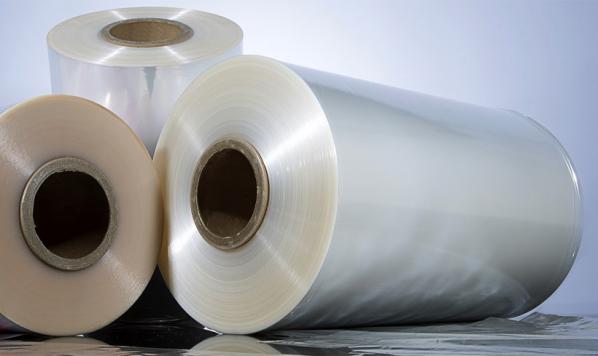
Polyethylene (PE) is one of the most widely used and recognized plastics in the world. This highly versatile polymer belongs to the family of thermoplastics and plays a crucial role in various industries due to its unique properties. Let’s explore its nature, applications, and advantages.
How is Polyethylene Made?
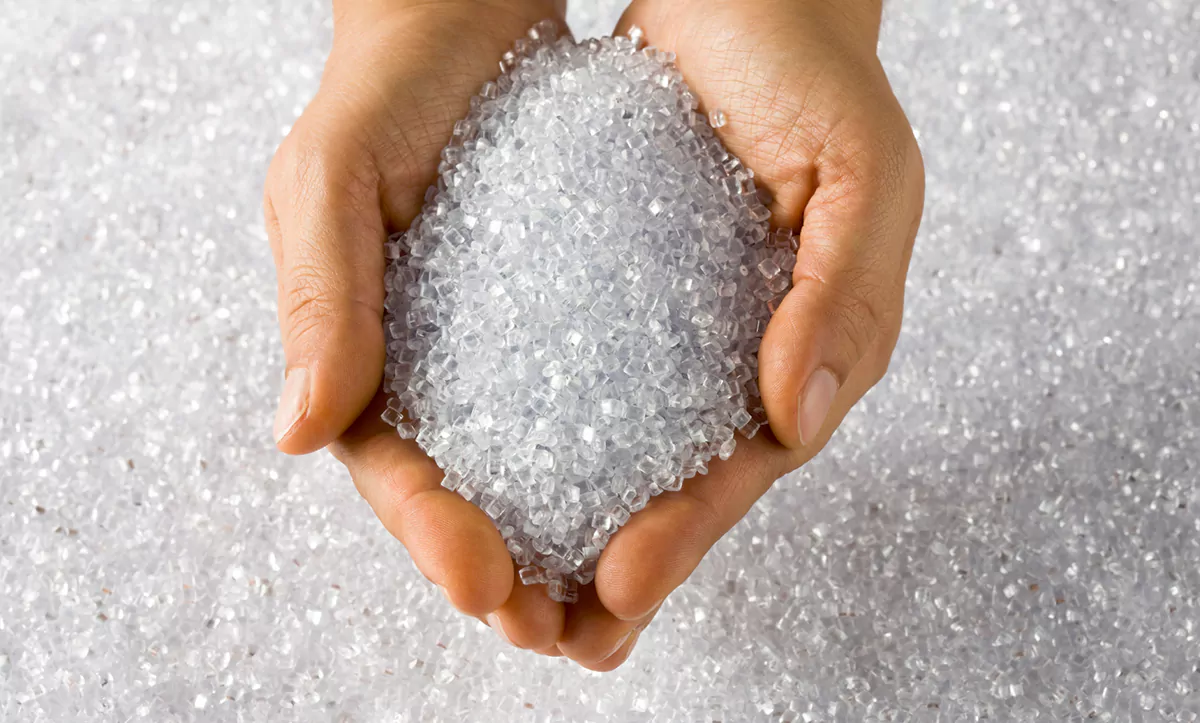
Polyethylene is produced through the polymerization of ethylene gas (C₂H₄), where small ethylene molecules link together to form long polymer chains. This process occurs under specific pressure and temperature conditions, often in the presence of various catalysts. Depending on the production conditions, polyethylene can be manufactured in different types, each with distinct properties and uses.
Types of Polyethylene
Polyethylene is mainly categorized based on density and chain structure:
Properties and Advantages of Polyethylene
Applications of Polyethylene
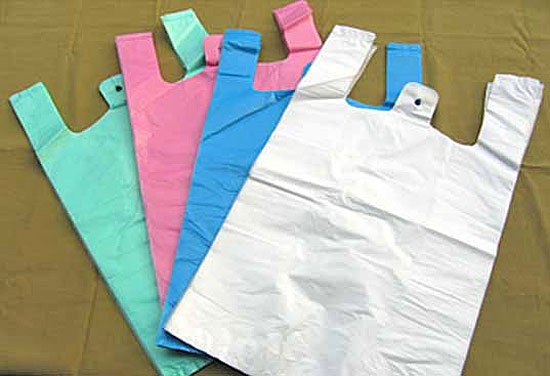
Polyethylene is widely used in everyday life, including:
This versatility has made polyethylene one of the most essential materials in the plastics industry.
Challenges and Future Outlook
Despite its advantages, polyethylene poses environmental challenges due to plastic waste. Recycling and developing biodegradable polymers are key strategies to reduce its environmental impact. In recent years, extensive research has focused on producing biodegradable polyethylene and improving recycling processes.
این مطلب را به اشتراک بگذارید
نظرات کاربران